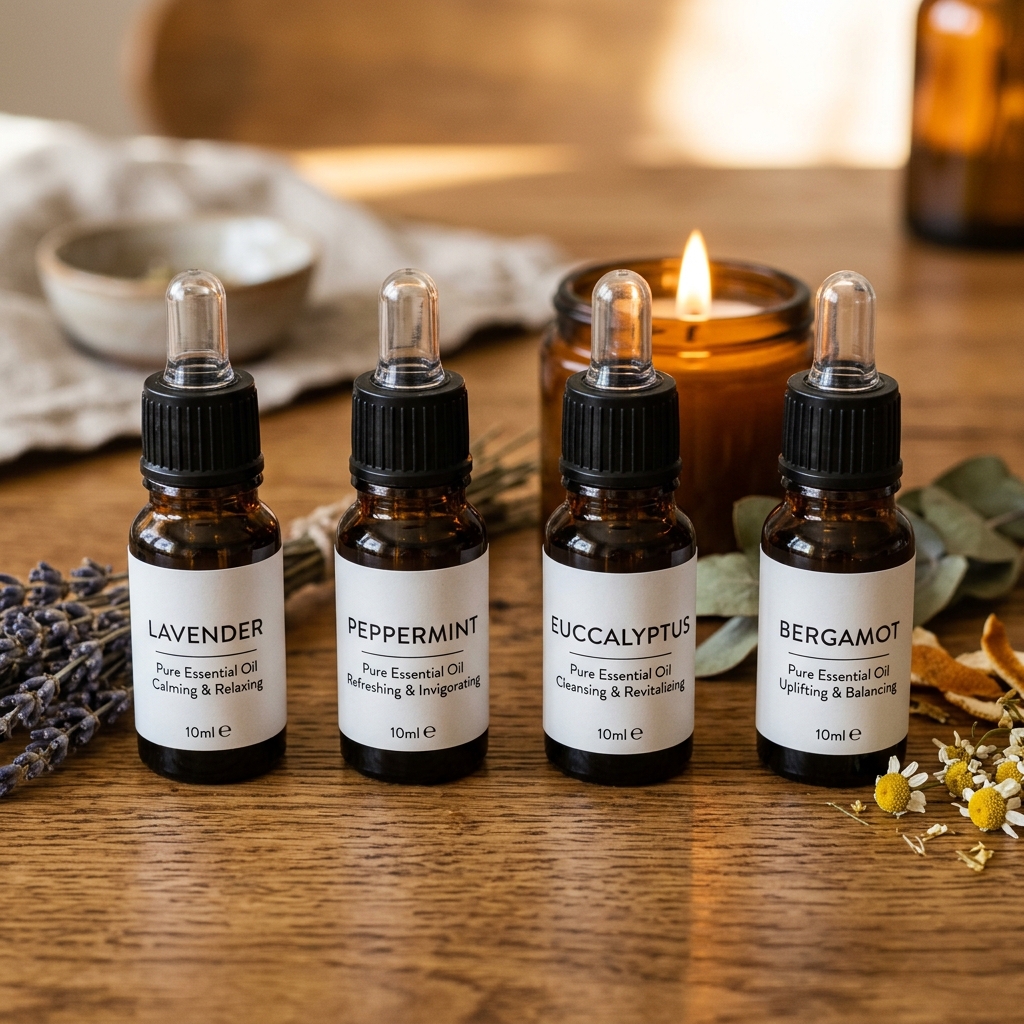


Learn about different types of essential oil diffusers.

Essential oil diffusers have become a familiar appliance in modern homes, offices, and health spas. However, the market currently offers many different models with distinct operating principles. Understanding each type will help you choose the most suitable product, optimize the use of essential oils, and protect the health of your entire family.
Fragrance is not just a sensation; it's an invisible thread connecting your living space to your soul.
1. Ultrasonic Diffuser
This is the most popular type of humidifier currently available. It uses high-frequency ultrasonic waves to separate a mixture of water and essential oils into ultra-fine mist particles, which are then blown into the air as a thin stream of vapor. Its advantages include extremely quiet operation, gentle humidification for air-conditioned rooms, and reduced essential oil consumption. However, regular cleaning is necessary to prevent water residue from damaging the ultrasonic vibrating head.
2. Direct fragrance diffuser (Nebulizing Diffuser)
Unlike ultrasonic diffusers, direct-diffusers (or dry essential oil diffusers) do not require water. They use compressed air pressure to directly atomize pure essential oils into ultra-fine nanoparticles. This is the optimal solution for large spaces or for those who want to experience the most concentrated, original fragrance. While the diffuser is fast and powerful, it will consume essential oils more quickly.
3. How to clean and maintain your diffuser for long-lasting durability.
To ensure the device operates reliably, you should empty any excess water after each use and gently wipe the ultrasonic vibrating head with a cotton swab soaked in medical alcohol once a week. Avoid letting water get into the ventilation holes at the bottom of the device to prevent short circuits.