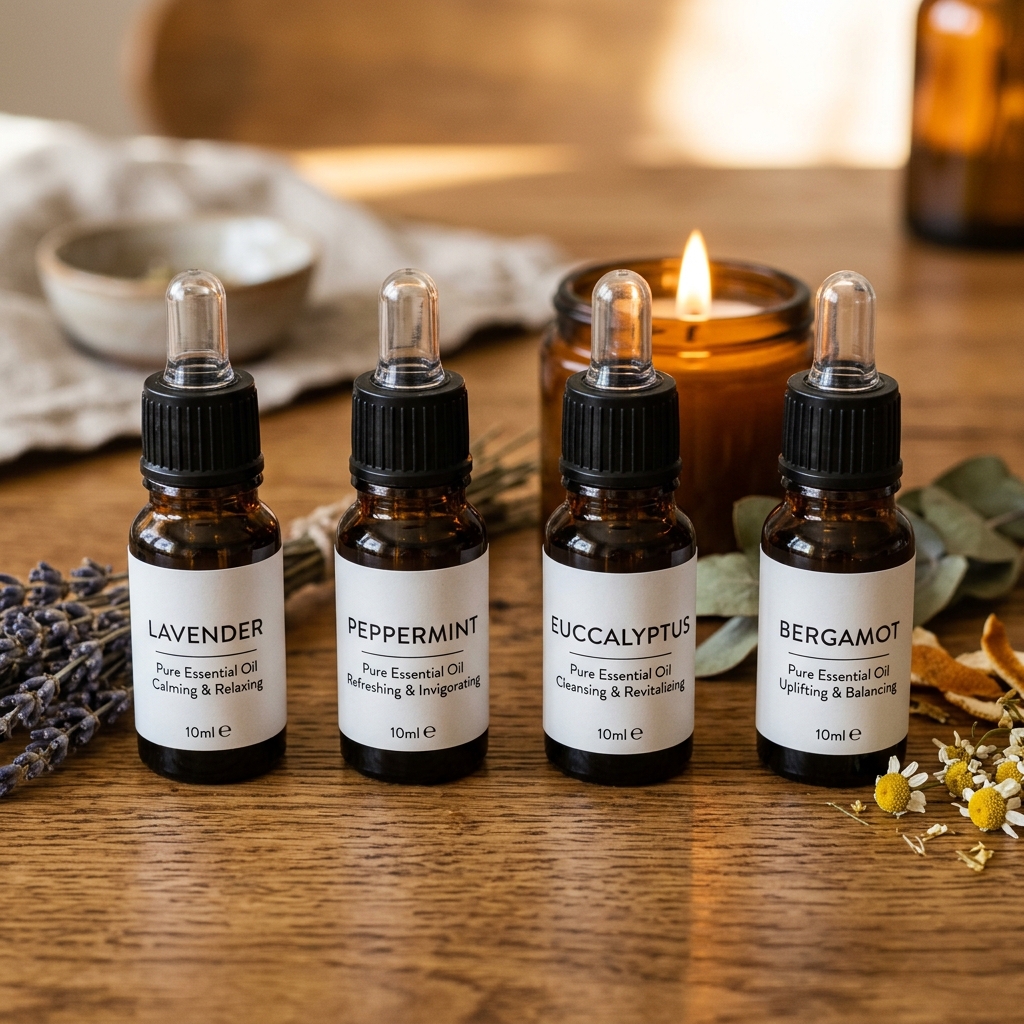


What are perfume oils? Applications, how to choose the right scent, and how to use them correctly.
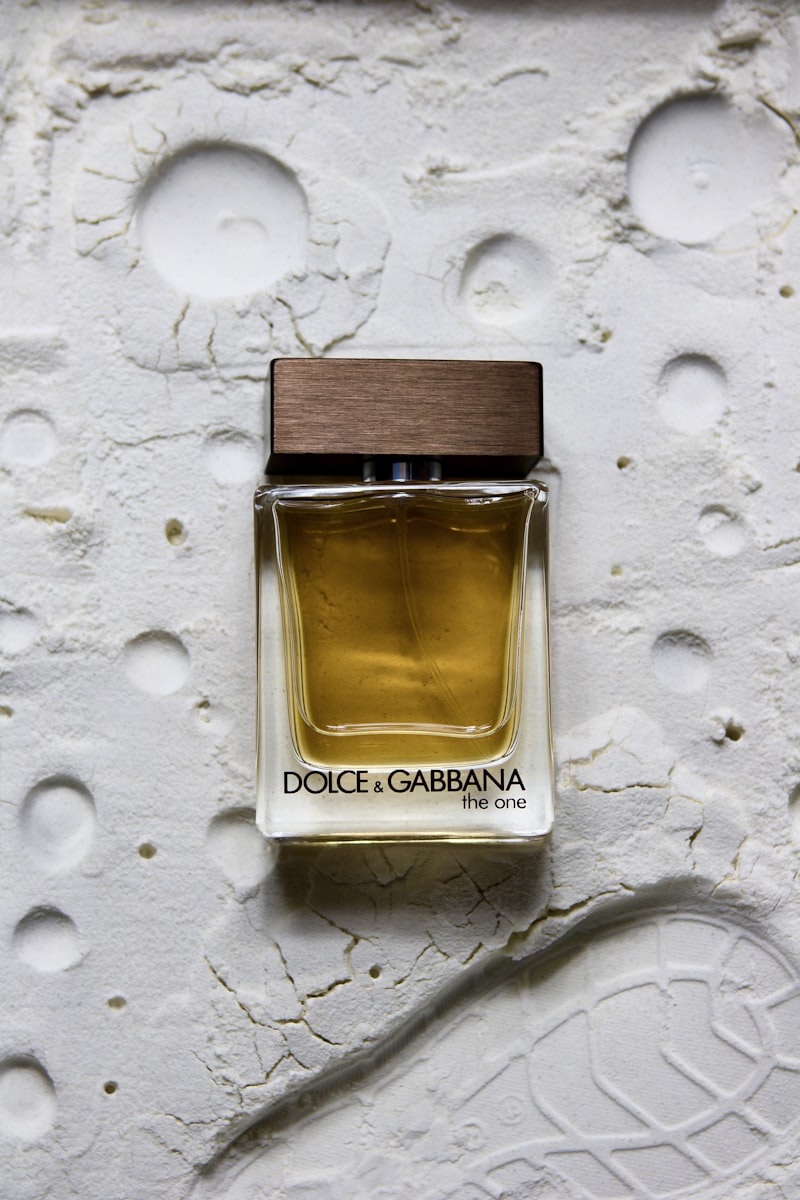
Fine fragrance oils are becoming a strong trend in the fragrance industry thanks to their superior longevity and the diversity and complexity of their scent profiles, similar to expensive perfumes worldwide. This article will help you understand the nature of fine fragrance oils and how to use them effectively.
Fragrance is an invisible garment, a unique signature that affirms the distinct personality of each space and brand.
1. Definition and Differences
Perfume oils are a sophisticated blend of pure natural essential oils and safe synthetic aromatic compounds, expertly crafted by perfumers. This combination helps recreate complex scents that are not naturally occurring (such as powdery, leathery, or marine notes) and allows for longer-lasting diffusion.
2. Complex fragrance layers (Olfactory Pyramid)
Similar to personal perfumes, high-end perfume oils possess three distinct layers of fragrance: Top Notes, which are fresh and light; Heart Notes, which are intense and deep, featuring floral or fruity scents; and Base Notes, which are warm and long-lasting, with notes of wood, musk, or amber.
3. Applications in daily life and production
Thanks to their excellent thermal stability and superior scent retention, perfume oils are widely used in the production of scented candles, diffuser sticks, room sprays, handmade cosmetics, and fabric fresheners.